Changes to CWD sampling, shotgun zone and license purchasing
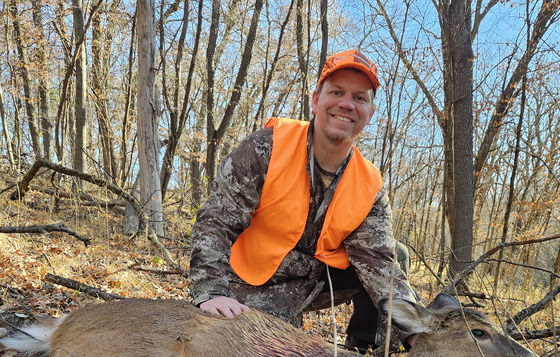
Many deer hunters look forward to the firearms opener every year for the anticipation of being out at dawn to watch for a flick of the tail or listen for a slight crunch of leaves, but also the traditional and rich memories that come from spending time with friends and family together outdoors.
More than 400,000 Minnesota hunters are expected to participate in the 2026 firearms deer season, which opens Saturday, Nov. 7. Ahead of the season, the Minnesota Department of Natural Resources encourages hunters to review the updated hunting regulations and ensure they complete their license purchase well in advance.
“This is a great time to get your hunting plans in place, buy your deer license early if you haven’t already, and review changes to chronic wasting disease sampling for the season,” said Paul Burr, DNR deer coordinator. “Putting some extra thought toward your hunt now can make deer opener that much more enjoyable.”
Here are some important changes for this season and where hunters can find more details:
- A four-year statewide rotational surveillance plan for CWD begins this year, with sampling required for deer harvested in southwest Minnesota on Nov. 7-8. In any CWD management zone statewide (any 600-series DPA), a new rule makes it easier to move harvested deer out of those zones, as long as disposal requirements are met. Details are on the CWD webpage (mndnr.gov/cwd). Voluntary sampling is also available when sampling is not required, statewide, and those options are detailed on the CWD testing options webpage (mndnr.gov/cwd/cwd-testing.
html). - For more about CWD changes this deer season, see Minnesota DNR’s previous news release (mndnr.gov/news/2026/10/12/
dnr-reminds-firearms-deer- hunters-prepare-chronic- wasting-disease-sampling).
- For more about CWD changes this deer season, see Minnesota DNR’s previous news release (mndnr.gov/news/2026/10/12/
- The state’s shotgun zone for deer hunting has been eliminated, leaving individual counties in the former shotgun zone with the option of adopting county-level restrictions. Details on this change and other general regulation updates are under “new for 2026” on the deer hunting webpage (mndnr.gov/hunting/deer).
A modernized electronic licensing system has changed how hunters buy licenses and register harvests. Online license sales, license agent locations, and resources for help with using the new system are available on the Minnesota DNR buy a license webpage (mndnr.gov/buyalicense).
Minnesota DNR’s regional wildlife managers have developed the following outlooks for deer hunters in their regions. Maps of regions referenced are available on the Minnesota DNR website (mndnr.gov/aboutdnr/regions.
Southern region hunting outlook
Deer populations continue to be stable or increasing in southern Minnesota. This is largely due to a series of mild winters that created favorable conditions for increased survival and reproduction. Populations will be similar to 2025.
Although most of the summer was dry, it appears trees producing nuts, seeds and berries — especially bur oak — have had a good production year. Later rains increased cool-season green-up that could produce late-season deer food. With recent rainfall, some wetlands have begun to refill.
Multiple deer permit areas that had one-deer limits last year have designations that have increased bag limits for this year.
Northwest region hunting outlook
Deer populations throughout the northwest region are in very good condition. Three relatively mild winters combined with conservative bag limits for most DPAs in the region are the primary reasons deer herds have rebounded.
Deer have also had opportunities for healthy grazing. The acorn crop this year was fair to good in some areas of the region. When abundant, acorns are one of the most important and nutritious foods for deer and other wildlife. Additionally, prolonged warm temperatures, timely rainfall and relatively late frosts, grass and forbs have remained green throughout much of fall. This helps deer enter winter in very good physical condition.
As a result of rebounded deer herds, bag limits for many DPAs in the region for this fall’s deer hunting season are less restrictive. Hunters will have more opportunities to harvest additional antlerless deer in almost two dozen DPAs in the northwest region. More DPAs than last year in northwest Minnesota have two- or three-deer harvest limits, and DPA 203 remains the only DPA in the northwest region limited to bucks-only harvest. Some DPAs continue to have lower harvest limits, with the objective of returning local deer herds to established population goals.
Northeast region hunting outlook
Deer populations in the northeast region of the state are variable. This year was favorable for reproduction, and hunters should see more deer. However, populations in the far northeast portion of the region remain low, and winter severity was high, with snow remaining into spring. In these areas, bag limits remain conservative to give local deer populations a chance to grow.
The best deer harvest opportunities will be in the southern portion of this region, where deer numbers are higher and winter conditions were mild. Hunters should look for a mix of cover types and scout ahead of time for the best success.
Changes to DPAs in this region include a shift from bucks-only to lottery in DPAs 169, 176 and 199. Additionally, there were increased numbers of lottery permits available in many DPAs in the southern portion of the region.
Central region hunting outlook
Deer populations in the central region continue to increase due to strong overwinter survival, good reproduction and great habitat. Most DPAs show upward population trends, with a few stabilizing near goal levels.
The region’s mix of forest, prairie and agricultural edges has provided excellent forage and cover throughout the year, contributing to healthy deer herds. Habitat conditions are favorable heading into fall. Food and cover availability remain strong across both forest-transition and prairie landscapes with reports of a good acorn crop this year.
Deer reports from agricultural lands and metro municipalities reflect higher local populations. There are ample deer harvest opportunities due to high localized deer populations and multiple-deer bag limits in many DPAs. Area wildlife managers encourage hunters and landowners to take advantage of all available hunting seasons and opportunities to help manage deer populations.




Comments