By Doug Leier
Like many hunters, anglers and anyone with an interest in North Dakota’s outdoors, I’ve taken for granted the North Dakota OUTDOORS magazine. It began and remains a rare combination for news and insight, explaining the current regulations and impacts of habitat to walleye stocking and expanding fishing access. Stacking the years on top of years the issues turn into an unintentional historical account.
North Dakota OUTDOORS debuted in August 1931 as the Great Depression tightened across the land.
Turning 95 is a reminder of the Game and Fish Department’s long commitment to sharing “items of conservation news as may be of interest to the sportsmen and lovers of wild life over the state.”
While those conservation stories have changed with the times, many of the themes have not. Hunting regulations, habitat, wildlife populations and the relationship between landowners and hunters remain as relevant today as they were nearly a century ago. A look back at the first year offers a snapshot of the priorities, challenges and optimism of conservation in 1931.
The inaugural August issue announced the bulletin’s arrival among publications dedicated to conservation and wildlife propagation. Editors hoped its pages would inspire readers to think seriously about protecting and perpetuating North Dakota’s native game species. That mission continues to guide the magazine today.
September brought exciting news for hunters. For the first time since 1922, North Dakota opened a limited deer season. Hunters could legally harvest one antlered deer during a short November season. Resident licenses cost $5, while nonresident licenses were $50. The bulletin reported deer were unusually plentiful and reminded hunters they were required to wear red caps in the field.
October focused on Hungarian partridge, now commonly called gray partridge. Introduced beginning in 1924, the birds had adapted well across much of the state, especially in rolling country with lighter soils. Early observations questioned their success in the Red River Valley but praised their abundance farther west.
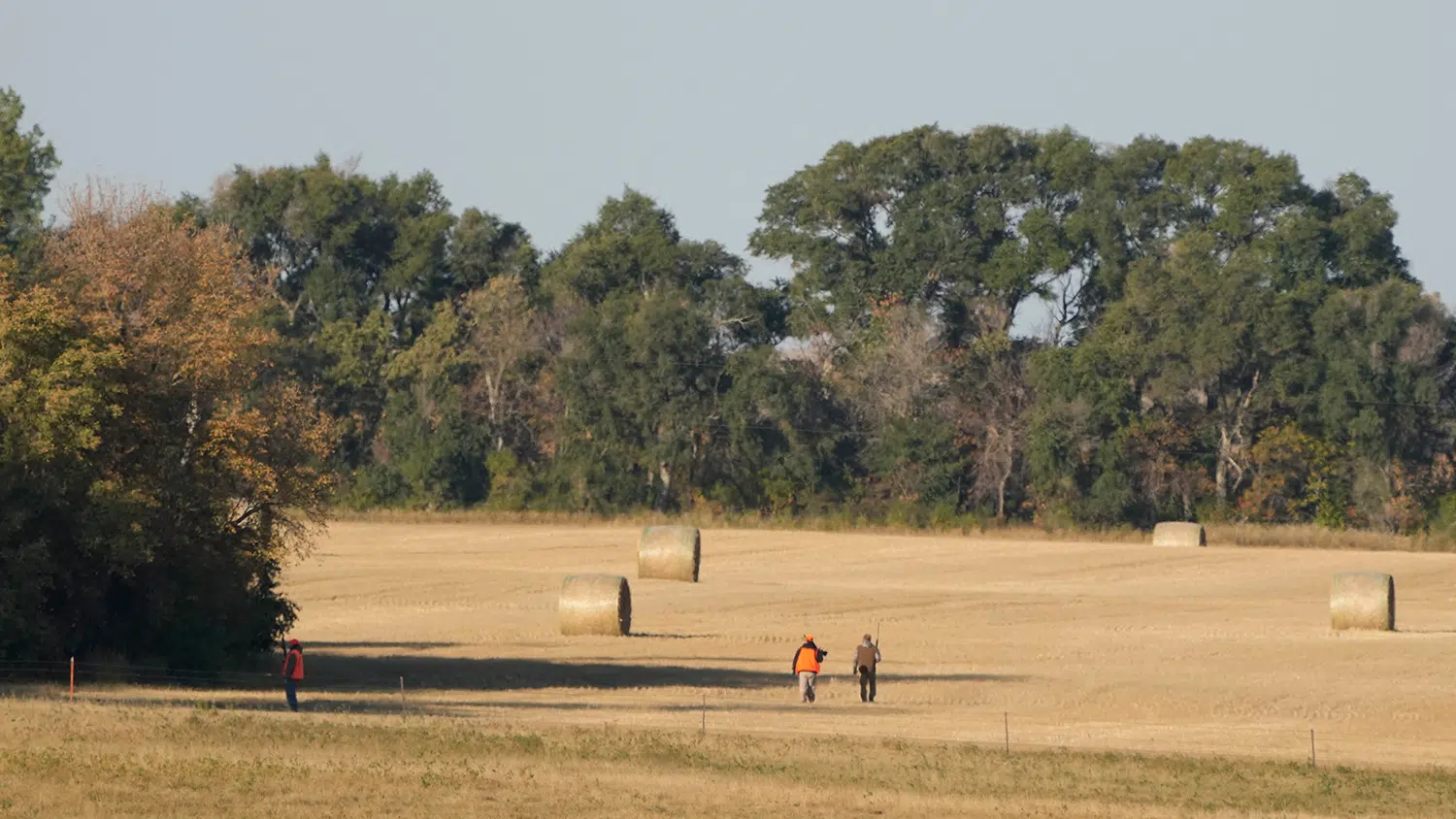
By November, attention shifted to pheasants. An estimated 10,000 hunters gathered in Richland, Sargent and Dickey counties for opening weekend. The article also emphasized something still discussed today: respect for private property. Farmers who raised crops while protecting wildlife deserved consideration, and stronger relationships between hunters and landowners would benefit everyone. Public hunting land was limited even then, making cooperation increasingly important.
The December issue reviewed the first deer season in nearly a decade. Roughly 1,200 licenses were sold, with estimates placing the harvest between 400 and 800 deer. Most were legal bucks, and editors concluded the season caused no significant harm to the herd. Reports of
widespread illegal harvest proved largely unfounded, and the bulletin praised North Dakota sportsmen for following the regulations.
Ninety-five years later, the magazine has grown far beyond its modest beginnings, but its purpose remains unchanged. It continues telling the story of North Dakota’s wildlife, conservation efforts and outdoor traditions—one issue, and one generation at a time, preserving the department’s conservation legacy while inspiring future generations of outdoor enthusiasts across North Dakota.




Comments