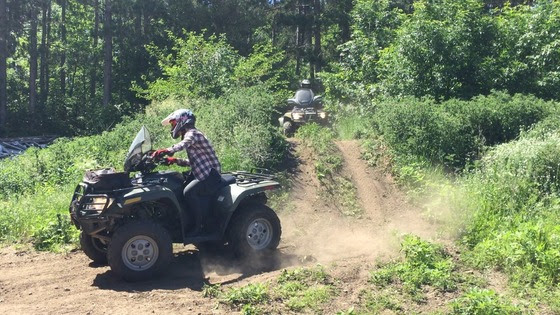
MN DNR ATV
With six reported off-highway-vehicle-related fatalities in the state in October, the Minnesota Department of Natural Resources reminds all riders to prioritize safety as they enjoy the outdoors. Before October, there were 12 reported fatalities in 2026.
“Our goal is that every rider returns home safely at the end of every ride,” said Capt. Jon Paurus, education program coordinator for the DNR Enforcement Division. “The likelihood of that occurring increases when safety is top-of-mind before and during any ride.”
The DNR offers the following tips:
Wear a helmet. Wearing a helmet and other safety gear reduces the risk of serious injury in the event of an accident. Riders under the age of 18 are required to wear a DOT-approved helmet anytime they’re riding an OHV, and helmets are strongly recommended for all riders.
Buckle your seatbelt. All occupants of Class 2 ATVs that are manufactured with a seatbelt must wear it when they’re on public roadways or rights-of-way. The DNR urges all OHV riders to wear a seatbelt if their machine is equipped with them, even when riding on trails where the law doesn’t require it.
Complete safety training. Safety training is required for all ATV operators born on or after July 1, 1987, and is recommended for all riders. Safety training material can be found on the DNR’s recreational vehicle safety training (mndnr.gov/safety/vehicle) website.
Stay on designated trails. Designated trails are designed for OHV use, and riding OHVs in non-designated areas can be dangerous. Most deadly crashes with other vehicles occur along roadways. OHV trail maps are available online (mndnr.gov/ohv/az.html).
Drive sober. Driving an OHV under the influence of alcohol or drugs is not only dangerous, but also a crime. Anyone convicted of operating under the influence – whether they’re operating a recreational vehicle, boat, or motor vehicle – loses their privilege to operate any of them.
Ride together. Riding together is key to riding safely. When minutes matter, having people nearby to help if things go wrong can be critical. If someone must ride alone, they should make sure someone knows where they’re going and when they plan to return.
Ride to abilities and for the conditions. If a trail appears to be too challenging, turn around. And pay attention to the conditions and the weather. It’s more hazardous to ride when it’s icy, muddy, or wet, for example; and riders should adjust their riding style and speed to reduce risks.
Monitor young riders. Active supervision of young riders is key. Youths under the age of 16 need permission from a parent or guardian to operate an OHV.
For more OHV safety tips, visit the DNR website (mndnr.gov/ohv/atv-safety.html




Comments