North Dakota Hunting
By Doug Leier
Every hunting season tells a different story. Success is often measured by filled bags and tags, but for many hunters the season is about much more than harvest. Time outdoors, familiar places, changing landscapes and shared traditions all become part of the experience.
That’s one of the things that makes hunting unique. Within the law, every hunter gets to shape the experience a little differently. Some enjoy long walks through prairie draws. Others are content watching a shelterbelt from a stand. Some hunt with family traditions stretching back generations, while others are creating new traditions of their own.
As another October unfolds across North Dakota, one thing becomes clear. While every season feels different, most of the changes hunters notice happen gradually rather than all at once.
North Dakota’s landscape continues to evolve. Over the years, changes in CRP acreage, crop rotations, grazing practices and weather patterns have influenced wildlife habitat and hunting conditions. Depending on where hunters spend their time, standing crops may still affect where deer travel and feed, while elsewhere harvested fields have already shifted deer movements into heavier cover. Conditions can vary dramatically from one end of the state to the other, and sometimes from one township to the next.
That’s one reason it’s difficult to compare seasons or point to one factor explaining hunter success. Wildlife numbers, habitat, weather, food availability and hunting pressure all play a
role. Every season brings a different combination of variables, making each hunting experience unique.
Hunters have adapted right along with those changes.
One of the biggest hunter shifts in recent years has been the growing use of elevated stands and ground blinds during the firearm deer season. Not so long ago, those approaches were more commonly associated with archery hunting in North Dakota or firearm hunting in more heavily wooded states. Today, they have become another option many hunters include in their approach.
Whether it’s because hunters have less access, less time to hunt or simply enjoy a slower, more deliberate approach, stands and blinds have become much more common across North Dakota. For many hunters, it’s a chance to spend more time observing wildlife and waiting for opportunities rather than constantly moving.
That slower pace often means hunters notice more than deer. Songbirds, pheasants, turkeys, coyotes and countless other wildlife become part of the day. Many hunters would agree those observations become lasting memories, regardless of whether they fill a tag.
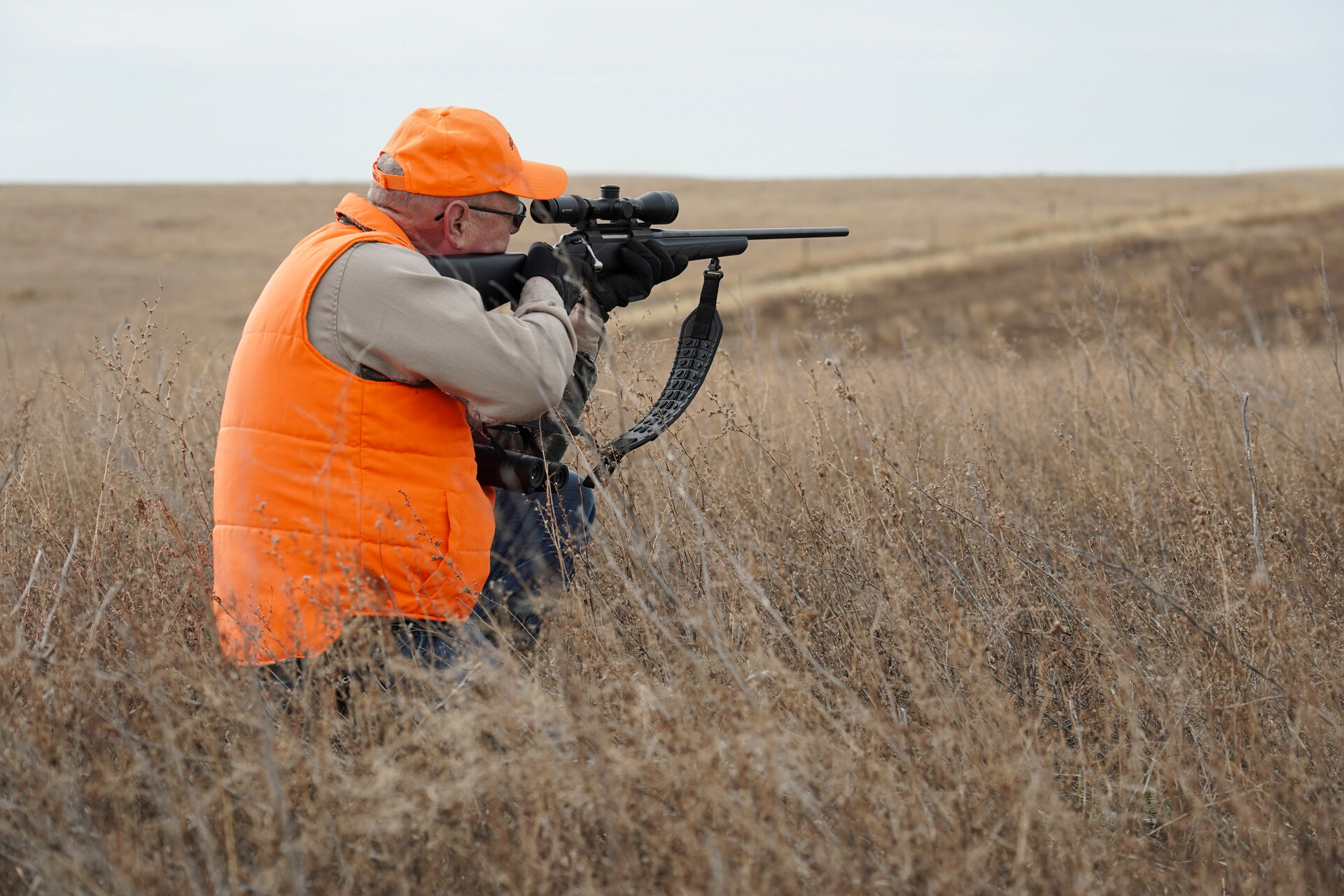
As hunting strategies evolve, safety remains just as important. Bow hunters using elevated stands should always wear a full-body safety harness and inspect equipment before every season. Ground blinds and stands should also remain visible to other hunters during firearm seasons, while blaze orange requirements continue helping everyone safely share the field together.
The landscape changes. Hunting methods change. Seasons change. Yet the traditions of gathering with family and friends, spending time outdoors and appreciating North Dakota’s wildlife continue from one generation to the next. Those lasting traditions remain at the heart of every deer season.




Comments