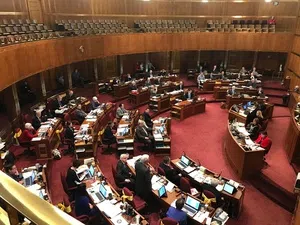
BISMARCK, N.D (NORTH DAKOTA MONITOR) – Gov. Kelly Armstrong set Jan. 21 as the tentative date for a special legislative session to allocate federal rural health funding.
In a Friday letter, Armstrong notified legislative leaders of the likely special session date, but said it’s contingent on North Dakota receiving its federal funding award.
North Dakota and other states applied in November for their share of $50 billion through the Rural Health Transformation Program. The Centers for Medicare and Medicaid Services is expected to award funding to states by Dec. 31. A North Dakota legislative committee gave input on the state’s application, but lawmakers will still need to meet and give final approval for spending those federal dollars.
“We have an incredible opportunity to strengthen and reshape rural health care in North Dakota through the Rural Health Transformation Program,” Armstrong said in a statement. “I appreciate the collaboration with legislative leadership and look forward to a special session laser-focused on the task at hand – appropriating these federal dollars in the most efficient and effective way possible to improve the well-being of our citizens.”
In a letter to House and Senate leaders, Armstrong defined the purpose of the special session as allocating the rural health funding. But once lawmakers convene, they will be able to run the session as they see fit, said Mike Nowatzki, spokesperson for Armstrong.
“He’s not able to limit them,” Nowatzki said.
Senate Majority Leader Sen. David Hogue, R-Minot, said Legislative Management will meet the week before the special session to “set the table,” but the intent of legislative leadership is to limit the focus of the session to the Rural Health Transformation Program funding.
“But, of course, folks could introduce other things,” Hogue said. He added anything introduced by lawmakers would likely require a two-thirds majority in each chamber to be considered, which is a high bar.
Hogue said the tentative Jan. 21 date for the special session was chosen because it gives the Department of Health and Human Services as much time as possible to implement the funding after it is awarded at the end of the year.
John Bjornson, director of Legislative Council, said the shortest amount of time a special session can last is three days because each chamber cannot vote on the first and second reading of a bill on the same day.
North Dakota’s Legislature is limited to meeting 80 days every two years. Because Armstrong is calling the special session, Bjornson said the Legislature will retain its six remaining legislative days to use before the 2027 legislative session.
States are expected to get at least $500 million from the federal grant, but states could be eligible for more based on certain factors, including if they implement some health-related policies. North Dakota’s application focuses on boosting the state’s rural health workforce, preventive care and healthy eating, bringing health care closer to home and connecting technology and data.




Comments